Grievous bodily harm: the injury threshold that changes everything
 Save
Grievous bodily harm, known as GBH, describes really serious injury caused unlawfully to another person. It sits at the top of the assault ladder in English criminal law, where the harm is so severe it goes beyond cuts and bruises into territory that may threaten life or leave lasting damage. HS Criminal Law explains the legal threshold, the two forms GBH takes, and what follows when someone is charged with it.
The legal meaning of grievous bodily harm
The phrase means serious harm. Courts do not work from a fixed list of injuries: the assessment is whether a reasonable person would call the harm grievous. Broken bones, internal injuries, substantial blood loss and injuries requiring surgery all cross the line. Permanent disfigurement, loss of a sensory function and psychiatric injury can also meet the test.
What separates GBH from actual bodily harm is severity. ABH covers injuries that interfere with health or comfort — extensive bruising, minor fractures, temporary loss of consciousness. Actual bodily harm sits below GBH on the scale, and the difference matters because sentencing consequences change dramatically.
How courts decide what counts as serious
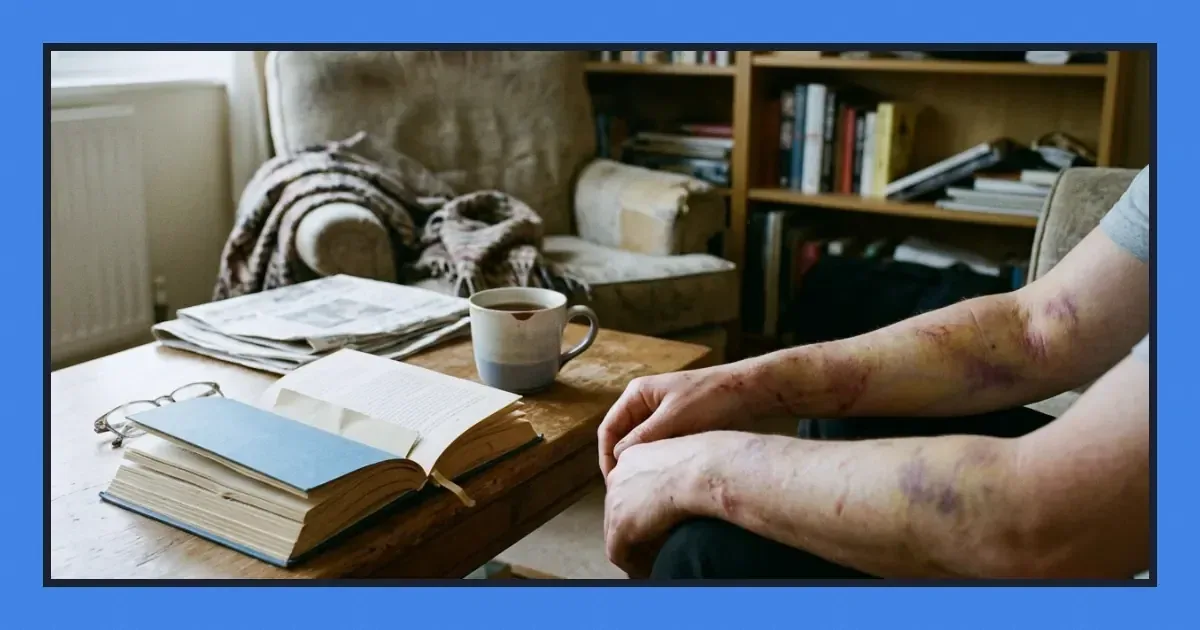
Judges and magistrates look at the nature of the injury, its impact on the victim's daily life, and whether medical treatment was needed. A single blow that fractures a skull qualifies. Repeated attacks causing deep bruising across the body may not, unless the cumulative effect amounts to serious harm. The victim's age and vulnerability are weighed: an injury that might be moderate in a young adult could be grievous in an elderly person.
Section 20 and section 18: the two forms of GBH
English law recognises two offences under the Offences Against the Person Act. Section 20 applies when someone unlawfully inflicts grievous bodily harm or wounds another person. It is the less serious of the two because it does not require proof that the defendant intended the level of harm caused. Recklessness is enough: the person saw some risk of injury and took it anyway.
Section 18 requires proof of intent to cause grievous bodily harm, or intent to resist or prevent lawful arrest. This is the more serious charge, often described as GBH with intent. The prosecution must show the defendant meant to cause really serious injury, not simply that they acted recklessly. The difference in potential sentence is substantial.
What wounding means in this context
A wound is a break in the continuity of the skin — both layers must be pierced. A deep graze or scratch may not qualify if only the outer layer is damaged. Wounding without grievous bodily harm still falls under section 20 when done unlawfully, but where serious harm accompanies the wound, the offence is complete under either section depending on intent.
Defences available to a GBH charge
Self-defence is the most common. You are entitled to use reasonable force to protect yourself, another person or property from unlawful violence. The force must be proportionate to the threat you faced, assessed from your perspective at the time. What seemed necessary in the moment may not look reasonable in hindsight, but the law accounts for the pressure of the situation.
Consent can be a defence in limited circumstances. Contact sports, medical treatment and body modification carried out with genuine agreement do not usually lead to criminal liability, even when serious injury results. The boundaries are narrow: you cannot consent to serious harm inflicted for no good reason, and consent obtained through deception or pressure is not valid.
Lack of intent matters for a section 18 charge. If the prosecution cannot prove you meant to cause grievous bodily harm, the offence may be reduced to section 20. Accident is also a defence: if the harm was caused without fault — an unforeseeable trip, a genuine mishap with no recklessness — there is no liability.
Sentencing ranges and aggravating factors
Section 20 GBH carries a maximum sentence of five years' imprisonment. Sentencing guidelines shape the framework courts follow, and the starting point depends on the seriousness of the injury and the level of culpability. A single blow causing a fracture may result in a community order or a short custodial term. Sustained or repeated attacks, the use of a weapon, or targeting a vulnerable victim push the sentence higher.
Section 18 GBH with intent carries a maximum of life imprisonment. The starting point for the least serious cases within this category is several years' custody. Where the harm is particularly grave, the attack premeditated, or the victim chosen because of their vulnerability, sentences of double figures are common. Previous convictions for violence, offending on bail, and abuse of a position of trust all aggravate the sentence.
| Offence | Intent required | Maximum sentence |
|---|---|---|
| Section 20 GBH | Recklessness | Five years |
| Section 18 GBH | Specific intent to cause serious harm | Life imprisonment |
Mitigating factors that reduce sentences
Evidence of genuine remorse, an early guilty plea, and lack of previous convictions all work in your favour. Provocation that does not amount to a full defence may still reduce the sentence. If you acted out of character under exceptional pressure, or if the victim's conduct contributed to the situation, the court takes that into account. Youth, mental health difficulties and steps taken towards rehabilitation can also bring the sentence down.
What happens after you are charged
GBH cases are heard in the Crown Court because the potential sentences exceed the magistrates' powers. You will appear first at a magistrates' court for a preliminary hearing, then be sent to the Crown Court for trial or sentencing. Preparation for that first hearing matters, even though the case will not be decided there.
Bail decisions are made early. Section 18 charges often lead to remand in custody because of the seriousness, but each case is assessed on its own facts. The court considers the risk of further offences, interference with witnesses, and whether you will attend future hearings. Conditions such as curfews, electronic tagging and residence requirements may be imposed if bail is granted.
Steps to take if you are facing a GBH charge
- Instruct a solicitor experienced in serious violence cases as soon as you are aware of the investigation or charge.
- Write down everything you remember about the incident while it is fresh, including who was present and what was said.
- Identify any witnesses who saw what happened and note their contact details for your legal team.
- Do not discuss the case on social media or with anyone other than your solicitor — anything you say can be used as evidence.
- Attend every court hearing on time and follow bail conditions precisely if they have been set.
How a conviction affects your future
A conviction for GBH is not spent until the rehabilitation period ends, and that period depends on the sentence. A custodial term of more than four years is never spent. Shorter sentences become spent after a set period once the sentence is completed, but until then the conviction must be disclosed for most employment, insurance and travel purposes.
Enhanced DBS checks will show the conviction even after it is spent if you apply for work in regulated activity. Travel to countries including the United States, Canada and Australia may be refused or require a visa that would not otherwise be necessary. The duration and filtering rules vary depending on what you were sentenced to and how old you were at the time.
Common misunderstandings about GBH
People often assume that any injury requiring hospital treatment is automatically GBH. It is not: the harm must be serious, and minor injuries treated in A&E do not meet that test. Similarly, the absence of a visible wound does not mean the offence cannot be GBH. Internal injuries, psychiatric harm and broken bones beneath the skin all qualify.
Another misconception is that you cannot be convicted if the victim does not want to press charges. The decision to prosecute rests with the Crown Prosecution Service, not the victim. Their cooperation makes a conviction more likely, but it is not essential. Written statements, medical records and witness accounts can support a prosecution even when the victim withdraws their complaint.
Some believe that acting in the heat of the moment is always a defence. It is not. Loss of temper does not remove liability, though it may reduce a section 18 charge to section 20 if intent cannot be proved. The law expects you to exercise self-control, and passion or anger does not justify causing serious harm.
#Charge #Crown Court #Sentence
Download PDF: GBH charge checklist: steps to protect your position PDF, 30 KB
Further reading
Frequently asked questions
What is the difference between ABH and GBH?
ABH is actual bodily harm, which covers injuries that interfere with health or comfort such as bruising and minor fractures. GBH is grievous bodily harm, meaning really serious injury like broken bones, internal damage or permanent disfigurement. The difference is severity, and GBH carries much higher sentences.
How long can you go to prison for GBH?
Section 20 GBH carries a maximum of five years' imprisonment. Section 18 GBH with intent carries a maximum of life imprisonment. The actual sentence depends on the injury, the level of intent, any aggravating factors and your previous record.
Can you get a suspended sentence for GBH?
A suspended sentence is possible for less serious section 20 cases where the court decides immediate custody is not necessary. Section 18 cases are more likely to result in immediate imprisonment because of the intent involved, though every case is assessed individually.