 Offences ExplainedHarassment and stalking: the line between persistent contact and criminal behaviour
Articles
- Offences ExplainedHarassment and stalking: the line between persistent contact and criminal behaviour
 AppealsAppealing an acquittal: the rare path that challenges a not guilty verdict
 Court OrdersInjunctions in criminal law: three types and what breach means for you
 Police ProceduresPolice detention rights: the protections that apply from the moment you arrive
 Offences ExplainedMens rea: the guilty mind that separates accident from crime
 Court ProcessCrown Court trial procedure: the stages from jury selection to verdict
 Court OrdersProbation Order: Five Requirements and the Consequences of Breach
 AppealsSentence Appeal: Three Grounds and the Process That Follows
 Offences ExplainedRobbery: the force or threat that turns theft into something more serious
 Records & RehabilitationSpent convictions: when your criminal record steps back
 Court OrdersCourt order breach: consequences, penalties and three actions to take
 Police ProceduresStop and Search: The Powers Police Hold and Four Rights You Keep
 Court ProcessBad character evidence: the three gateways that let your past into court
 Offences ExplainedAssault on police officer: why protection extends further and three defences that rarely work
 Court OrdersAnti-social behaviour orders: the civil tool that carried criminal consequences
 Offences ExplainedCommon assault: the threshold that starts at fear and three ways to defend it
 AppealsMiscarriage of justice: when convictions fail and three routes to correction
 Legal HelpDuty solicitor: free legal advice when you need it most
 Offences ExplainedThe guilty act: what actus reus means and three ways it shapes criminal liability
 Offences ExplainedWhat Is Fraud – Three Types and What Must Be Proved
 Offences ExplainedContempt of court: the behaviour that puts you at risk and what follows
 SentencingCustodial sentence: immediate custody and what follows
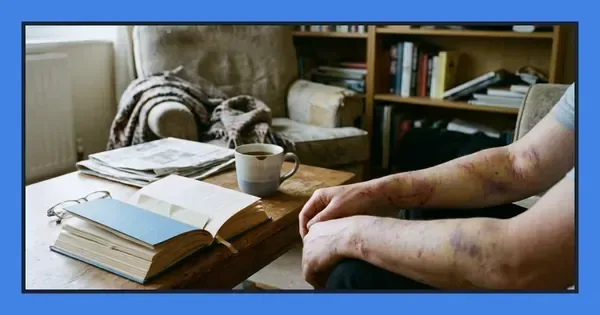 Offences ExplainedGrievous bodily harm: the injury threshold that changes everything
 SentencingSentencing Guidelines: The Framework That Shapes Every Punishment
 Records & RehabilitationSpent Convictions and Removal: What Filtering Means for Your Record
 AppealsFour grounds for appeal and the process that follows a criminal conviction
 Court OrdersRestraining orders: what courts prohibit, how long they last and breach consequences
 Court ProcessYour magistrates' court hearing: six ways to prepare and what to bring
 Police ProceduresPolice powers to search your phone: warrants, passcodes and four extraction methods
 Offences ExplainedTheft and burglary: what separates them in law
 Court ProcessSelf-Representation in Crown Court: Four Things to Weigh Before You Decide
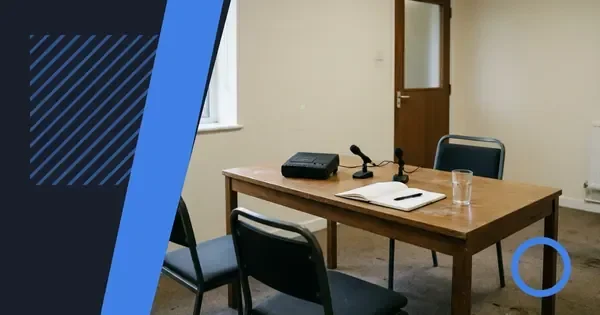 Police ProceduresPolice Interview: What Happens, Step by Step
 Records & RehabilitationHow long a criminal record lasts and what changes once a conviction is spent
 Legal HelpCriminal Legal Aid Eligibility: Means Test, Merits Test and 4 Situations Where It's Automatic
 Offences ExplainedJoint enterprise: 4 ways secondary liability works in English law
 Police ProceduresYour rights when arrested: 4 protections under PACE codes
 Police ProceduresThe right to silence: 4 ways no comment protects you in interview
 Records & RehabilitationDBS check process: 3 levels, what appears and how filtering rules protect spent convictions
 SentencingConditional discharge: what it means and 3 ways it appears on your record
 SentencingCommunity orders: 12 requirements courts attach and what each involves
 SentencingSuspended sentence explained: what it means and 4 conditions courts commonly impose
 Court ProcessHow bail works: police decisions, court hearings and 4 key conditions
 Offences ExplainedWhat is ABH? Understanding actual bodily harm and 4 ways courts assess it
 Offences ExplainedPerverting the course of justice: 5 ways people commit this serious offence